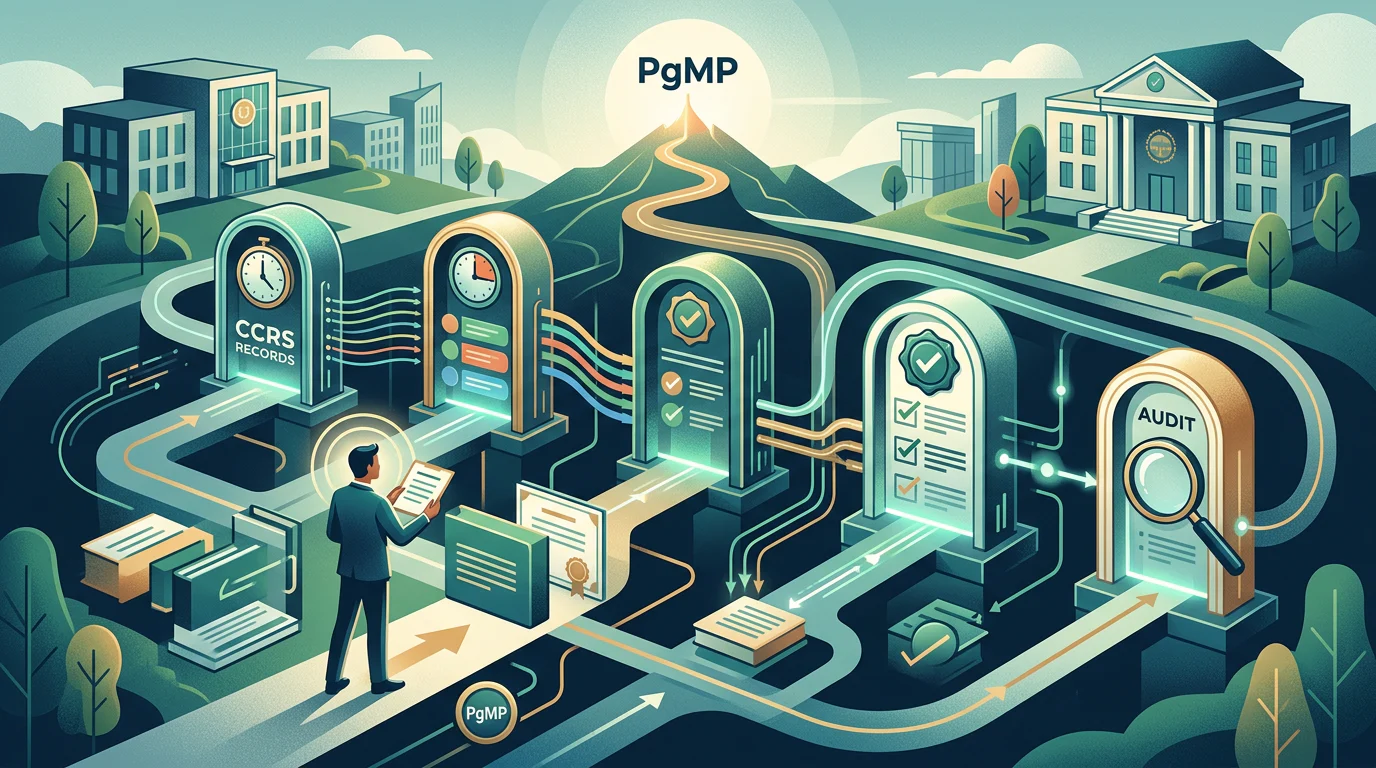
The 4-Step PgMP Training Methodology for First-Time Success in 2026

TL;DR
Discover a proven PgMP Training methodology that helps professionals achieve application approval. Learn the exact framework for earning your PgMP certification in 2026.
You spend weeks gathering project details, documenting achievements, and preparing your application. Confident that your years of leadership experience will be enough, you submit everything and wait for the outcome. Then the review panel responds with a rejection. For many professionals, this becomes the most frustrating part of the entire certification journey.
The challenge is bigger than most people realize. According to Harvard Business Review, nearly two-thirds of project-based initiatives fail, with only 35% achieving success. As organizations manage increasingly complex programs, they need leaders who can align multiple projects with business goals and deliver measurable outcomes.
The reality is that passing the exam is only one part of earning the credential. Before you can even sit for the test, your application must clearly demonstrate strategic leadership, stakeholder management, governance, and benefits realization. Without proper preparation, even experienced professionals can struggle at this stage.
That is why PgMP training has become increasingly important for professionals pursuing certification in 2026. A structured approach helps candidates present their experience in a way that meets PMI expectations while building the knowledge and confidence needed to succeed in both the application review and the exam.
Why Self-Paced Preparation Often Creates Avoidable Setbacks
Many professionals assume that years of program leadership automatically prepare them for certification. They focus on reading guides, watching videos, and solving practice questions while spending very little time refining their applications.
The challenge is that certification assessors are not evaluating how many projects you managed. They are evaluating whether you can demonstrate program-level leadership. Strategic alignment, governance, stakeholder management, and benefits realization must be clearly visible throughout your submission.
A common pattern emerges among candidates who rely entirely on self-study. They spend months preparing for the examination, but overlook the application review process. By the time they receive feedback, they discover that their experience descriptions focus heavily on execution instead of strategic leadership.
This is where PgMP training courses create a significant difference. Instead of treating the application as paperwork, structured preparation treats it as the first examination. Candidates learn how to position their experience correctly from the beginning.
Many professionals who initially struggle are not lacking experience. They are simply communicating their experience in a way that does not align with certification requirements. Proper PgMP training helps bridge this gap before it becomes a costly delay.
Why Application Quality Determines Certification Success
Most candidates focus on exam preparation because it feels measurable. You can track practice scores, review concepts, and monitor progress. Application quality, however, feels subjective, which leads many professionals to underestimate its importance.
The reality is that the application determines whether you even reach the examination stage. A poorly structured application can prevent highly qualified candidates from moving forward.
Strong applications demonstrate strategic thinking. Instead of describing project activities, they explain how programs delivered organizational benefits, aligned with business objectives, and generated measurable outcomes.
Professionals who succeed often spend considerable time refining their submissions. They review every experience statement, identify weak descriptions, and strengthen strategic language. This process frequently reveals gaps in how they present their leadership experience.
PgMP training helps candidates understand what reviewers are actually looking for. Rather than guessing how to frame their experience, they receive guidance on demonstrating program-level leadership effectively.
The difference becomes evident when candidates compare their original applications with revised versions. Strategic language, governance terminology, and benefits-focused narratives create a much stronger impression. As a result, PgMP training does not simply prepare candidates for an exam. It prepares them for the entire certification process.
The Need For A Structured Preparation Methodology
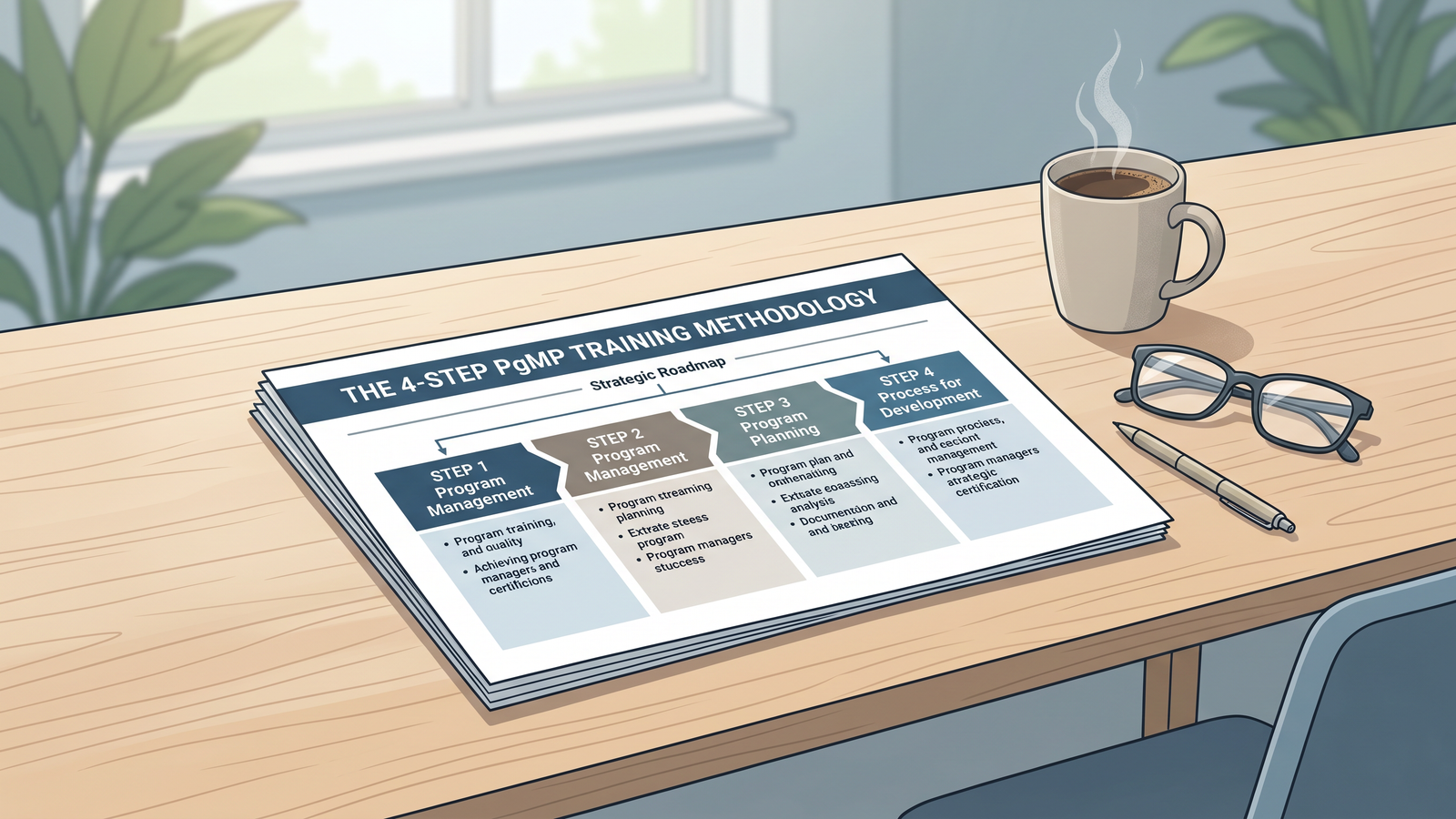
Certification success rarely comes from random study sessions or isolated practice tests. The most successful candidates follow a clear framework that takes them from application preparation to final exam readiness.
A structured approach ensures that every stage of the journey builds upon the previous one.
Step 1: Application Formulation And Review
The first step focuses entirely on application quality. Candidates begin by documenting their program management experience and aligning it with PMI's expectations.
Each experience statement is reviewed carefully to ensure it reflects strategic leadership rather than operational execution. Governance activities, stakeholder engagement, and benefits realization become central themes.
Many professionals discover that experiences they considered routine actually contain strong examples of program leadership. The challenge is presenting them effectively.
Through structured PgMP training, candidates learn how to transform tactical descriptions into strategic narratives that resonate with reviewers.
This stage often involves multiple revisions. While the process can feel demanding, it dramatically improves approval rates and creates a stronger foundation for the next stages.
Step 2: Strategic Program Management Mentoring
Once the application is refined, candidates focus on strengthening their understanding of program management principles.
Mentoring sessions help professionals connect certification concepts to real-world experiences. Instead of memorizing definitions, they learn how governance, stakeholder management, and benefits realization function within complex programs. This approach makes concepts easier to understand and apply.
During this phase, PgMP training emphasizes strategic thinking. Candidates begin viewing their past experiences through a broader organizational lens rather than focusing solely on delivery outcomes. Many of the certification success stories shared by successful PgMP holders highlight this mindset shift as a key factor in their preparation journey.
The result is a deeper understanding and greater confidence when addressing situational questions later in the process.
Step 3: Domain-Focused Learning And Concept Mastery
The next stage focuses on the knowledge domains tested during certification. Candidates systematically review governance, stakeholder engagement, strategic alignment, benefits management, and lifecycle management concepts. Structured study plans ensure that every domain receives adequate attention.
Rather than jumping between topics randomly, professionals follow a clear progression that reinforces understanding over time.
PgMP training provides frameworks that simplify complex concepts and help candidates connect theoretical knowledge with practical experience.
This combination of theory and application significantly improves retention and exam readiness. By the end of this phase, candidates typically feel far more confident discussing advanced program management scenarios.
Step 4: Simulation-Based Exam Preparation
Knowledge alone is not enough. Candidates must also become comfortable with the examination environment.
Full-length simulation exams replicate actual testing conditions and help professionals understand what to expect on exam day. These exercises build stamina, improve time management, and highlight knowledge gaps that may otherwise go unnoticed.
Many candidates who begin with self-paced mentoring programs find that simulation exams provide the practical experience needed to complement their learning. While self-paced study helps build foundational knowledge, realistic mock exams test a candidate’s ability to apply that knowledge under pressure.
PgMP training uses structured performance analysis to identify weak areas and create targeted improvement plans. Repeated simulation practice reduces anxiety and increases confidence before exam day. Candidates learn how to interpret complex scenarios, eliminate incorrect options, and make informed decisions under pressure.
Step 5: Final Readiness Assessment
The final stage focuses on validation. Candidates complete comprehensive reviews covering both application readiness and examination performance. Remaining weaknesses are addressed before the certification attempt.
This stage often includes personalized feedback, final simulations, and focused revision sessions.
By this point, professionals have completed a complete preparation journey rather than relying on fragmented study efforts. PgMP training ensures that candidates enter the examination process with confidence, clarity, and a clear understanding of expectations.
How Augment Consultancy Supports Certification Success
Augment Consultancy has helped thousands of professionals successfully navigate the PgMP certification journey through a structured combination of application support, leadership development, and exam preparation.
Unlike traditional training providers that focus only on study materials, Augment Consultancy addresses the complete certification lifecycle. Candidates receive guidance during application formulation, develop strategic program management capabilities through the Program Leadership Foundation, and strengthen exam readiness through mentoring and simulation-based learning.
The organization offers three specialized pathways designed to meet professionals at different stages of their journey. Application Support helps candidates position their experience in alignment with PMI expectations. The Program Leadership Foundation develops the strategic mindset required for program-level leadership. Self-Paced Mentoring Programs provide flexible learning backed by proven frameworks and expert guidance.
Through comprehensive PgMP training, Augment Consultancy helps candidates understand what reviewers expect, how program leadership is evaluated, and how to approach the examination with confidence. For professionals pursuing certification in 2026, access to experienced mentors, structured methodologies, and end-to-end support can significantly improve both certification outcomes and career advancement opportunities.
Explore all our courses here!
Frequently Asked Questions
How Early Should I Start Preparing For Certification?
Most professionals benefit from starting preparation at least three to six months before they plan to submit their application. This timeline allows sufficient opportunity for application refinement, structured study, and simulation practice.
Why Is The Application Considered So Important?
The application serves as the first evaluation stage. Reviewers assess whether your experience demonstrates program-level leadership before approving you for the examination process.
Can Experienced Project Managers Pass Without Structured Support?
Some professionals succeed independently, but many discover that experience alone is not enough. Structured PgMP training helps candidates communicate their experience effectively and avoid common mistakes.
How Many Mock Exams Should I Complete Before The Real Exam?
Most successful candidates complete multiple full-length simulations. These exams improve time management, build confidence, and highlight areas requiring additional review.
Is Certification Valuable For Senior Leaders?
Yes. Certification demonstrates advanced program leadership capabilities and can strengthen credibility when pursuing executive, strategic, or enterprise-level leadership roles.