Why PMI Rejects Infrastructure Portfolio Experience: PfMP Infrastructure Experience Diagnostic


TL;DR
We help infrastructure leaders distinguish delivery work from the portfolio decisions PMI expects in a PfMP application. This diagnostic shows how to evidence strategy, governance, funding, risk, and value, then decide whether to reframe an application, wait for broader authority, or seek structured support.
For candidates with a bachelor’s degree, PMI currently requires 48 months of portfolio-management experience. That requirement makes the quality of your decision evidence as important as the scale of the capital work you managed.
PfMP infrastructure experience qualifies when it demonstrates portfolio-level selection, prioritization, funding, balancing, governance, and strategic alignment across components. PMI can reject an infrastructure narrative when it emphasizes delivery, contracts, schedules, or one program instead of showing the applicant’s own investment tradeoffs, authority, and portfolio-wide results.
We will show where infrastructure applications lose the strategic thread, what evidence restores it, and when better wording is not enough to make the experience qualify.
Does PfMP Infrastructure Experience Qualify?
Yes, infrastructure work can qualify, but only when your role operated above individual delivery. A large asset program is not automatically a portfolio, and a portfolio is not defined by its budget, project count, or sector. We look for the moment when a leader had to decide which components should proceed, wait, change, lose funding, or receive scarce capacity.
PMI describes portfolio managers as leaders who manage projects, programs, and operations to meet strategic objectives. That means a road, rail, utility, facilities, or regulatory portfolio can fit the credential when you can connect the component mix to an organizational objective and explain your personal role in governing it. Our strategic portfolio work guide can help you identify that line before drafting.

| Level | Primary Concern | Typical Evidence | Core Question |
|---|---|---|---|
| Project | Deliver one defined asset or result | Schedule, contract, cost control, construction risks | Did I deliver this component effectively? |
| Program | Coordinate related projects for combined benefits | Dependency plan, benefits plan, integrated delivery roadmap | Did I coordinate related components to realize benefits? |
| Portfolio | Select, fund, prioritize, balance, govern, and review investments | Investment criteria, capital plan, approval record, portfolio dashboard | Did I influence which work the organization should do? |
Delivery Is Not an Investment Decision
A delivery narrative can be impressive and still miss the portfolio test. “I recovered a delayed bridge project” shows execution competence. “I compared bridge renewal against safety, resilience, and capacity investments, then recommended a revised funding sequence” starts to show portfolio competence.
Programs Coordinate Benefits, Portfolios Allocate Investments
Programs organize related work to produce combined benefits. Portfolios decide the best mix of programs, projects, and other work for the organization’s strategy, even when the components are not directly related. PMI’s portfolio standard frames the portfolio as the link between strategy and the work selected to execute it.
Use the Portfolio Question
Ask one practical question about every claimed experience period: “What did I decide, recommend, or govern across multiple components that changed the investment mix?” If the honest answer is limited to managing delivery inside a preapproved program, the experience may be strong program work but not sufficient portfolio work.
How Does PMI Separate Projects, Programs, and Portfolios?
The difference is not a hierarchy of job titles. It is the decision horizon. A portfolio manager may work through a PMO, a capital planning office, an asset-management function, or an executive committee. We focus on the function you performed and the decisions you can demonstrate.
A portfolio exists to make sure the organization does the right work, not simply that each project does its work well. That calls for comparison, prioritization, and continued review when strategy, funding, risk, or operating conditions change. Our panel review guide explains how that evidence is assessed.
Selection and Prioritization
Portfolio work begins before project authorization. You may have established criteria, evaluated business cases, ranked asset needs, or prepared options for an investment board. The evidence is stronger when you can name the criteria, the competing components, your recommendation, and the strategic consequence.
Funding and Capacity Balancing
Capital budgets, specialist crews, design capacity, outage windows, and procurement bandwidth are portfolio constraints. A credible narrative shows how you analyzed those constraints across the component mix, not how you protected the budget of one project.
Governance and Portfolio Review
Governance is where recommendations become accountable decisions. PMI’s PfMP handbook asks candidates for examples of their unique experience and directs them to write in the first person. Use “I developed,” “I analyzed,” “I escalated,” or “I recommended,” then state who made the final decision if it was not yours.
What Evidence Shows Strategic Portfolio Alignment?
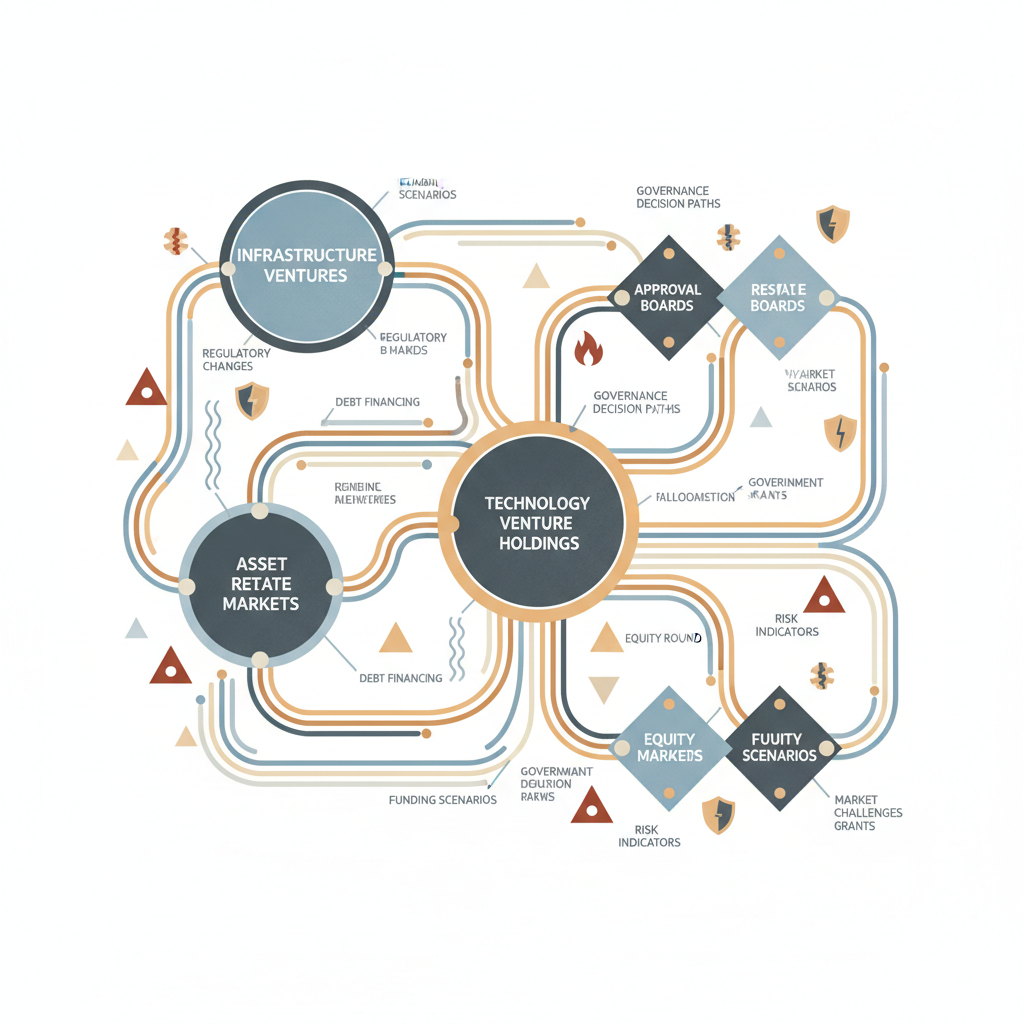
Strong applications do not merely assert alignment. They show how an organizational objective shaped a portfolio decision, what information informed the tradeoff, and what happened after the decision. We recommend building a private evidence map before writing any experience summary.
The artifacts below are prompts for accurate recall and internal verification. They are not a reason to upload confidential material unless PMI specifically requests it during an audit.
| Decision Type | What Your Narrative Should Show | Useful Infrastructure Artifacts | Portfolio Outcome |
|---|---|---|---|
| Selection | You compared proposed components using agreed criteria | Business case, scoring model, option analysis | A strategically aligned component was selected |
| Prioritization | You ranked or resequenced competing work | Capital plan, prioritization register, investment map | Funding or timing moved to higher-value work |
| Authorization | You prepared or advanced a governance decision | Approval record, stage-gate pack, decision log | Work was activated, deferred, or declined |
| Balancing | You analyzed funds, risk, benefits, or capacity across components | Scenario analysis, resource heat map, funding profile | Resources were reallocated or risk was balanced |
| Review | You monitored performance and recommended action | Dashboard, review pack, exception report | Components were continued, changed, or stopped |
Show the Strategy Link
Start with the strategy, not the project. For example, an asset-renewal portfolio might support service reliability, safety, climate resilience, or regulatory compliance. Then show how that objective changed selection criteria, component priority, funding, or review thresholds.
The best evidence is comparative. A federal capital guide advises comparing proposed investments to create a priority-ranked portfolio and considering cost, risk, and mission importance. Your application does not need government terminology, but it does need the same logic: alternatives, criteria, recommendation, and outcome.
Show Governance and Funding
A governance narrative should identify the forum, your role, the decision rights, and the action that followed. “Presented the dashboard” is weak unless it explains what you analyzed and what recommendation you owned. “I consolidated risk, funding, and capacity data, recommended deferring lower-priority components, and secured approval for the revised sequence” is materially stronger.
For infrastructure assets, lifecycle cost and criticality often provide the strategic bridge between operational facts and portfolio decisions. The EPA guide describes asset management through service levels, asset condition, critical assets, lifecycle cost, and long-term funding. Those inputs become portfolio evidence when they drive a choice across competing investments.
Show Your Personal Accountability
Committee participation is not the same as accountability, but it can still support a qualifying narrative when you describe your individual contribution honestly. State whether you owned the analysis, created the criteria, made a recommendation, held delegated authority, or executed a decision made by others.
We also use this distinction to improve exam judgment. PfMP scenarios test what protects the portfolio’s strategic purpose, not what makes one project manager’s task easier. Our scenario framework helps candidates practice that decision lens.
How Do You Rewrite Infrastructure Examples?
A rewrite should make real portfolio work visible, not upgrade project delivery into something it was not. We use before-and-after comparisons to expose the missing decision layer while keeping the facts truthful and specific to the applicant’s career.
| Portfolio Context | Delivery-Heavy Version | Strategic Portfolio Version |
|---|---|---|
| Capital Planning | “I managed annual road-improvement delivery, contracts, schedules, and spend.” | “I evaluated competing renewal and capacity components against agreed criteria, recommended a ranked investment mix, and tracked the funding outcome against strategic objectives.” |
| Asset Renewal | “I led replacement projects for aging water assets and reduced disruption.” | “I used condition, criticality, lifecycle cost, and service-level data to recommend which asset classes to accelerate, defer, or fund within the renewal portfolio.” |
| Regulatory Portfolio | “I ensured multiple sites complied with new requirements.” | “I assessed obligations across components, compared deadline and exposure tradeoffs, prepared the governance recommendation, and monitored portfolio-wide compliance risk.” |
A stronger version always contains a portfolio choice. It also makes room for a genuine outcome, such as a component being approved, deferred, terminated, resequenced, or assigned different capacity. We never advise candidates to insert metrics they cannot substantiate.
A useful quality check is to remove the project names from your paragraph. If the narrative still shows an organizational objective, competing components, decision criteria, governance, and a portfolio result, it is likely operating at the right level. If it collapses into a construction update, contract summary, or project recovery story, more reframing is needed.
Mock exams often expose the same gap. Reading a standard can build vocabulary, but situational questions require candidates to choose among plausible actions based on portfolio logic. Our practice test guide explains why that distinction can feel uncomfortable for experienced delivery leaders.
Should You Reframe, Wait, or Seek Support?
Not every rejection means you lack the right experience. Some applicants have several years of genuine portfolio responsibility but describe it as operational delivery. Others have outstanding infrastructure delivery credentials that are still premature for PfMP. We believe a candid diagnosis saves more time than a polished but inaccurate application.
Before choosing a preparation format, inventory each portfolio separately. Record the component mix, strategy link, decision forum, authority level, supporting artifacts, and outcome. This separates real portfolio responsibility from a vivid delivery story and makes it easier to see whether a rewrite can solve the problem.
Our readiness check helps candidates test this evidence before they commit to a study approach or application draft. Use the self-audit below to reach the same conclusion with an honest record of your experience.
- Component mix: Can you identify multiple projects, programs, or operations you managed as a portfolio?
- Strategic objective: Can you explain the organizational outcome the portfolio was meant to advance?
- Decision authority: Can you separate your recommendation, delegated authority, and committee participation?
- Evidence trail: Can you name an artifact, decision forum, and result for each significant example?
- Domain coverage: Can your combined experience demonstrate strategic alignment, governance, performance, risk, and communications?
| Result | What It Means | Best Next Step |
|---|---|---|
| Pass | You have strategic scope, personal decision evidence, and sufficient qualifying months | Build concise, first-person summaries around your strongest portfolios |
| Reframe | The portfolio work exists, but delivery language hides the strategic decisions | Rebuild examples around alternatives, tradeoffs, governance, and outcomes |
| Wait | Your role was limited to delivery, committee attendance, or insufficient qualifying experience | Seek actual portfolio responsibility before applying |
Structured help is most useful in the reframe category. It is less useful when the core experience is missing, because better prose cannot manufacture selection, prioritization, or governance authority. Our self-study comparison can help you decide which preparation path fits your diagnosis.
Why Choose Augment Consultancy for PfMP Certification Support?
At Augment Consultancy, we help eligible infrastructure leaders turn genuine portfolio work into precise, defensible PfMP evidence. Our support begins with a strategic-scope review: we identify the decisions you personally owned, the artifacts that corroborate them, and the gaps a rewrite cannot solve. We then help you organize application examples across PMI’s domains and practice the decision logic behind scenario questions, without inflating committee participation or repackaging project delivery as portfolio management. If your record is premature, we will say so and show what responsibility to seek next. If the experience is present but buried, we help make the strategic thread unmistakable. We keep the work practical, confidential, and focused on a PfMP application that represents your real career accurately. That includes feedback on a draft, a decision-by-decision evidence map, and targeted practice that connects each answer to strategic alignment, governance, value, risk, or communication. Explore our approach at Augment Consultancy.
FAQs on PfMP Infrastructure Experience
Why Did PMI Reject My Infrastructure Portfolio Experience?
PMI may reject a delivery-focused summary when it omits your personal portfolio decisions, component comparisons, governance actions, and resulting strategic outcomes across the investment mix.
Are PfMP Questions Harder Than PMP or PgMP?
PMI does not publish a difficulty ranking across credentials. PfMP questions are situational, requiring portfolio-level choices that protect strategic alignment, governance, value, risk, and balance.
When Is Structured PfMP Help Worth Paying For?
Structured help is useful when you meet experience requirements but cannot prove personal portfolio decisions, write concise summaries, or apply portfolio logic consistently in situational questions.